Flood Safety Tips
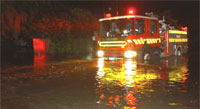
FLOOD AWARENESS SAFETY TIPS 10 ACTIONS TO TAKE BEFORE THE FLOOD
MONITOR NOAA WEATHER RADIO, TV OR EMERGENCY BROADCAST STATION. LISTEN FOR FLOOD WATCH, WARNING ADVISORY AND STATEMENT INFORMATION.
Learn the safest route from your home/business, should you have to leave in a hurry.
Develop and practice a “family escape” plan and identify a meeting place if family members become separated.
Make an itemized list of all valuables including furnishings, clothing and other personal property. Keep this list in a safe place!
Stockpile emergency supplies of food, medicine, first aid supplies and drinking water. Store drinking water in clean, closed containers.
Don’t forget to plan for your pest.
Keep a portable radio, emergency cooking equipment, flashlights in working order and extra batteries.
Keep your automobile fueled. If electric power is cut off, service stations may not be able to pump fuel for several days.
Find out how many feet your property is above and below flood levels. When predicted flood levels are broadcast, you can determine if you may be flooded.
Keep materials like sandbags, plywood, plastic sheeting and lumber handy for emergency water proofing.
If flooding is likely and there is time, move essential items and furniture to upper floors in the house. Disconnect electrical appliances that can’t be moved. Do not touch them if you are wet or standing in water.
Flood looses are not covered under normal homeowner’s insurance, but flood insurance is available in participating communities through the federally sponsored National Flood Insurance Program. Contact your local licensed insurance broker for more information. Remember. There is a five day waiting period for coverage to take effect. Don’t wait until the last minute!
DURING THE FLOOD
Monitor NOAA Weather Radio, TV or Emergency Broadcast station for information
If local officials advise evacuation, do so promptly.
If directed to a specific location, go there.
Use recommended emergency routes.
Know where the shelters are.
Secure your home before leaving.
Bring outside possessions inside the house or secure them.
Disconnect any electrical appliances or equipment that cannot be moved. Do not touch them if you are wet or standing in water.
Lock the doors and windows.
TRAVEL WITH CARE
1. Have a small Disaster Supply Kit in the trunk of your car.
2. Leave early to avoid being marooned on flooded roads.
3. Make certain that you have enough fuel for your car.
4. Follow recommendation routes.
5. AS you travel, keep monitoring NOAA Weather Radio or Emergency Alert Station for updated information
6. Watch for washed out roads, earth slides, broken water or sewer mains, loose or downed electrical wires and falling or fallen objectives.
7. Watch out for areas where rivers or streams may suddenly flood.
8. Do not attempt to drive over a flooded road.
AFTER THE FLOOD
Before entering the building, check for structural damage. Turn off any outside gas lines at meter or tank. Let the building air out to remove foul odors or escaping gas.
Upon entering the building, use a battery powered flashlight. Do not use an open flame as a source of light. Gas may be trapped inside.
Watch for electrical shorts and live wires before making certain the main power switch is off. Do not turn on electrical appliances until an electrician has checked out the system.
Throw out any medicine or food that has had contact with flood water.
Test drinking water for portability. Wells should be pumped out and water tested for drinking.
If the public water system is declared “unsafe” by health officials, water for cooking and drinking should be boiled vigorously for 10 minutes. In an emergency, water may be obtained from the hot water tank or by melting ice cubes.
Shovel out mud with special attention to cleaning heating and plumbing systems.
Flooded basements should be drained and cleaned as soon as possible. Structural damage can occur if drained too quickly. When surrounding waters have subsided, begin draining the basement in stages, about 1/3 of the water volume each day.
Do not handle electrical equipment in wet areas. It should be checked and dried before use.
Report broken utility lines to police, fire or other appropriate authorities.
|